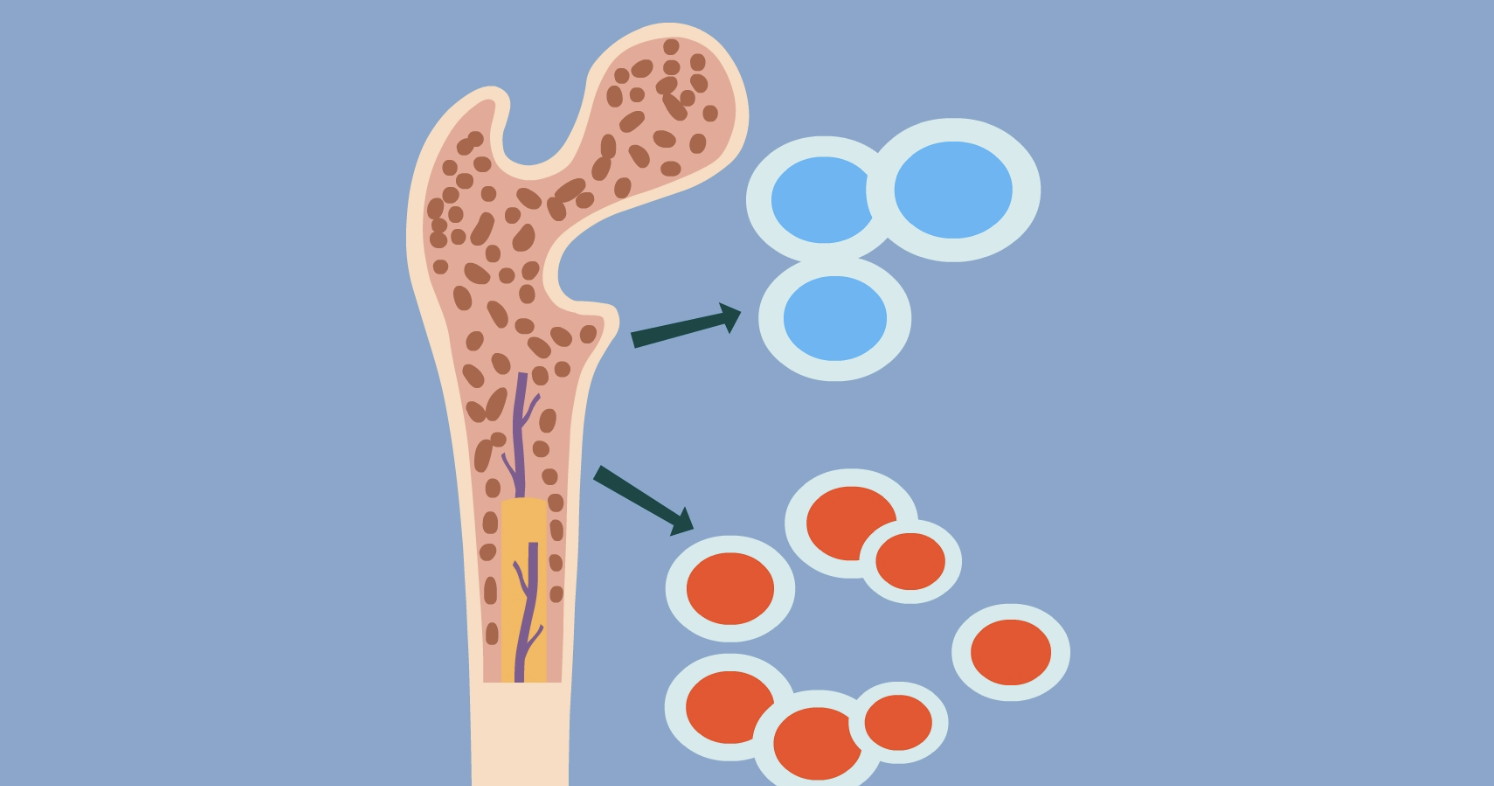
According to researchers at the Tisch Cancer Institute at the Icahn School of Medicine at Mount Sinai, a new treatment that helps the immune system kill multiple myeloma cancer cells has benefited up to 73% of patients in 2 clinical trials!
Category:
Medical
-
-
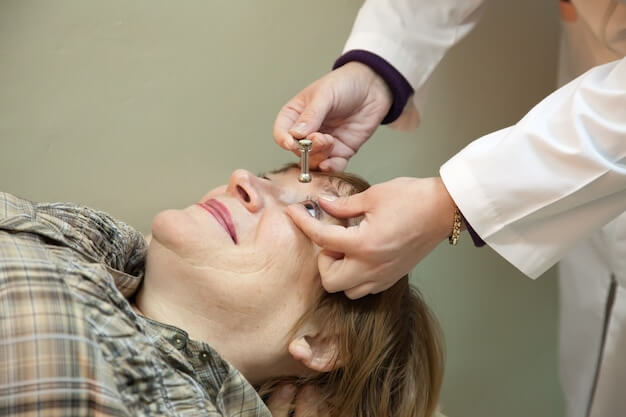
Dry eye after excimer surgery is a common problem. The main reason for the occurrence of dry eye after surgery is that during excimer surgery, the production of corneal flap and the cutting of matrix cut off the sensory nerve of part of the cornea, reducing the sensory and neurotrophic functions of the cornea, leading to the reduction of reflective tear secretion and the number of blinks, which leads to the reduction of the amount of tear secretion and the stability of the tear film. The study found that the corneal nerve after surgery can be restored to the preoperative level after 6-9 months of regeneration and repair. Therefore, dry eye may be obvious at the early stage after surgery, but it will gradually reduce with corneal repair until it returns to normal.
-
Medical
Two In a Row From Science: Car-T Cells Are Back With a New Upgrade That May Eradicate Deadly Solid Tumours!
Science has published two consecutive research articles that suggest new ways to improve the efficacy of CAR-T for solid tumours.
-
Medical
Pfizer's New Treatment Elranatamab Receives FDA Breakthrough Therapy Designation For Relapsed Or Refractory Multiple Myeloma
Pfizer's new treatment, Elranatamab, has received Breakthrough Therapy designation from the FDA for the treatment of patients with relapsed or refractory multiple myeloma. Data from the trial showed a patient efficacy rate of 61.0% and that once the therapy is effective, efficacy is maintained for more than six months in over 90% of patients!
-
Every year, 40000 women die of breast cancer in the United States alone. When cancers are discovered at an early stage, they can often be cured. Mammography is the best alternative diagnostic method, but this method also has shortcomings. It often results in false positive results, leading to unnecessary surgery.
-
DZD1516 is a reversible, selective HER2-targeting agent with full blood-brain barrier penetration. It has demonstrated good therapeutic response in phase I studies in patients with metastatic HER2-positive breast cancer, including breast cancer patients with central nervous system metastases.
-
Medical
Cancer Cells Are So Cunning They Use 'Self-Evolution' To Resist Treatment! New Research Has Found The Answer
A recent study led by the University of Texas Southwestern Medical Center on prostate cancer shows that by stopping the "transformation" of cancer cells in prostate cancer, new treatments are expected to overcome drug resistance.
-
The European Union has approved the marketing of the new treatment Opdualag for the treatment of melanoma patients. New data demonstrates that the treatment resulted in the complete disappearance of tumours in 16.3% of patients, a significant reduction in tumours in 26.8% and stable disease without further progression in 18.2% of patients, giving an efficiency rate of 61.3%.
-
Alveolar rhabdomyosarcoma is a rare but very deadly childhood tumour, and for more than 40 years there have been no new advances in the treatment of this disease. Recently, a study led by Professor Anton Henssen of the Charité University of Berlin has identified a promising new treatment for the disease.
-
Medical
Genetic Modification Of Immune Cells To Make Them Tireless, Cold-Blooded "Cancer Cell Killers"!
A cutting-edge study from the University of California, San Francisco, recently showed that researchers have been able to make immune cells, which already recognize cancer cells, more powerful and durable through CRISPR gene editing tools, promising to become tireless, cold-blooded "cancer killers"!